

The most important technologies for grain storage
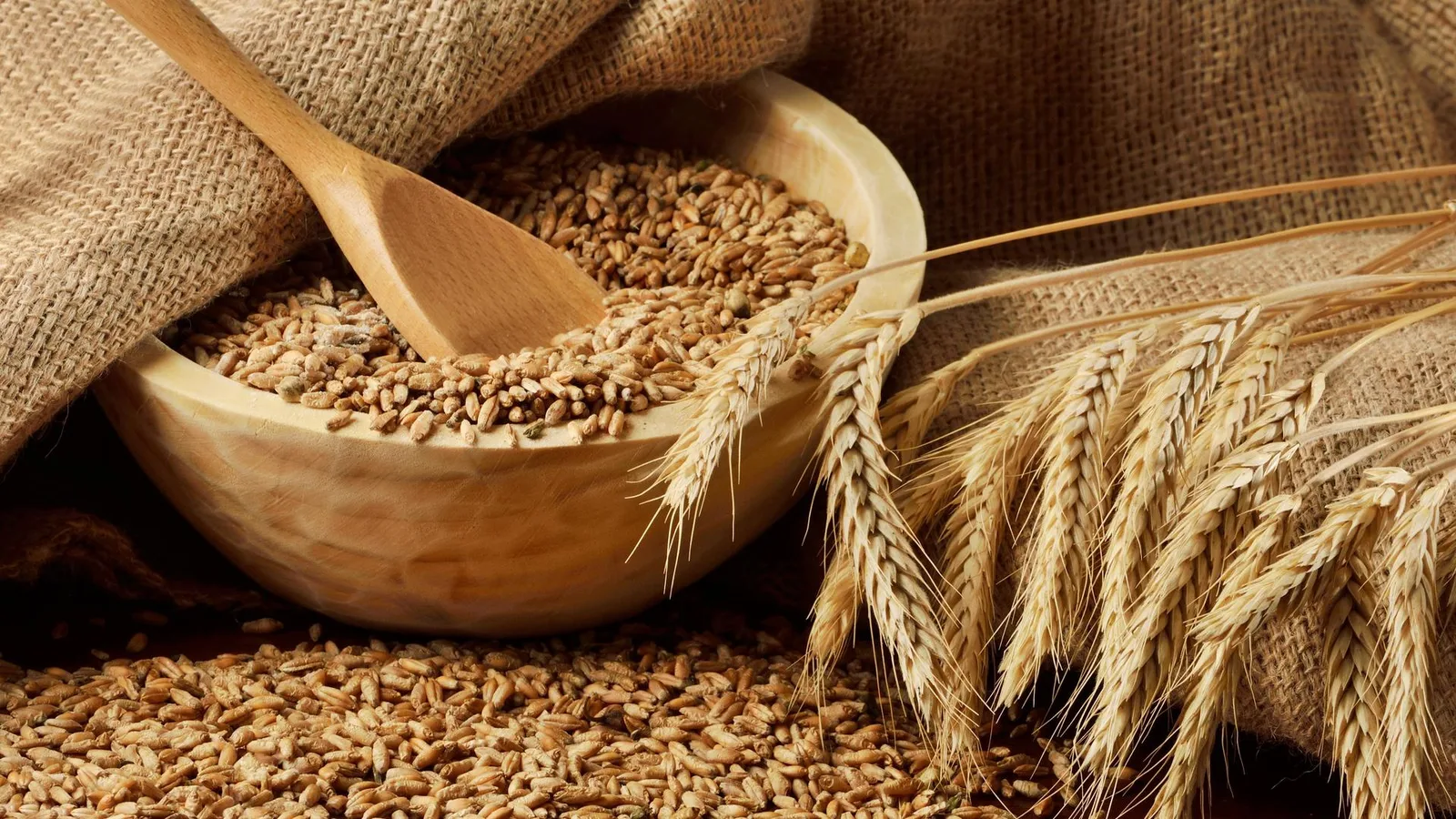
Storing grain is an essential component of agriculture. The technologies used in mechanical and plant engineering for grain stores offer innovative solutions to improve efficiency, safety and sustainability. The following overview examines some of the most significant technologies that play a decisive role in modern grain stores.
Advanced machinery
Modern machines are the heart of efficient grain stores. They enable precise handling and processing of large quantities of grain. Innovative plants and machines include, for example, modern conveying elements that ensure fast and gentle movement of grain. These machines are designed to minimise energy consumption while maximising performance. The integration of sensors and data-acquisition systems makes it possible to continuously monitor machine operation and adjust it as needed.
Grain stores in mills
Grain stores play a central role in mills, as they are responsible for preparing and creating the mixture for grinding grain. The latest technologies in this area enable efficient and even processing that both improves the quality of the final product and reduces energy consumption. Modern mills and grain stores are often equipped with automated control systems that allow production parameters to be set precisely. These innovations not only help to optimise cleaning and grinding processes but also support sustainable practices by minimising waste and making better use of the remaining products.
Automation
Automation has revolutionised the way grain stores operate. Automated conveying systems increase the efficiency and precision of grain movement. These systems reduce the need for manual intervention while minimising the risk of errors. In addition, automation makes inventory management easier, as it provides real-time data for better planning and logistics. The integration of AI-supported systems makes it possible to recognise patterns in data usage and to continuously optimise processes.
Conveying systems in grain stores
Conveying systems are indispensable for the smooth operation of grain stores. They ensure that grain is efficiently moved between different stations, whether from the storage tanks to the mills or from the mills to the packaging areas. With advanced technologies such as belt and inclined conveyors, not only speed and efficiency are increased but the safety of employees is also ensured.
The integration of sensors into conveying systems enables constant monitoring of the material flow and helps to identify bottlenecks at an early stage. Such systems are not only easy to maintain but also energy-efficient, which makes a positive contribution to the overall sustainability of the operation. At a time when resource optimisation is of the utmost importance, choosing the right conveying systems plays a key role in the success of modern grain stores.
Energy efficiency
Energy efficiency is a central aspect of mechanical and plant engineering for grain stores. The use of energy-efficient motors and drives helps to reduce energy consumption without impairing performance. Modern grain stores increasingly rely on renewable energy, such as solar installations, to make operations more sustainable. Efficient lighting systems such as LED technology and intelligent controls for heating and ventilation systems are further measures that contribute to energy savings.
Safety systems
Safety is another decisive factor in the design of grain stores. The implementation of advanced safety systems protects both the personnel and the stored products. Fire detection and extinguishing systems are essential for detecting and combating potential hazards at an early stage. Surveillance cameras and access control systems provide a high level of security and prevent unauthorised access. Beyond that, modern machines offer safety precautions that considerably reduce the risk of accidents.
Advantages and challenges
The advantages of these technologies are manifold. They improve storage capacities, reduce operating costs and increase efficiency. However, the implementation and maintenance of such technologies require considerable investment. Training staff to use these systems effectively is a further challenge. In addition, safety and data-protection aspects must be taken into account, particularly when using digital and networked systems.
Conclusion
Mechanical and plant engineering offers a wealth of possibilities for increasing efficiency and safety in grain stores. Advanced machinery, automation, energy efficiency and safety solutions are key factors that contribute to optimising modern stores. Despite the challenges that come with introducing new technologies, the long-term advantages that enable more sustainable and efficient storage prevail.