

Quality assurance in feed mills: standards and more
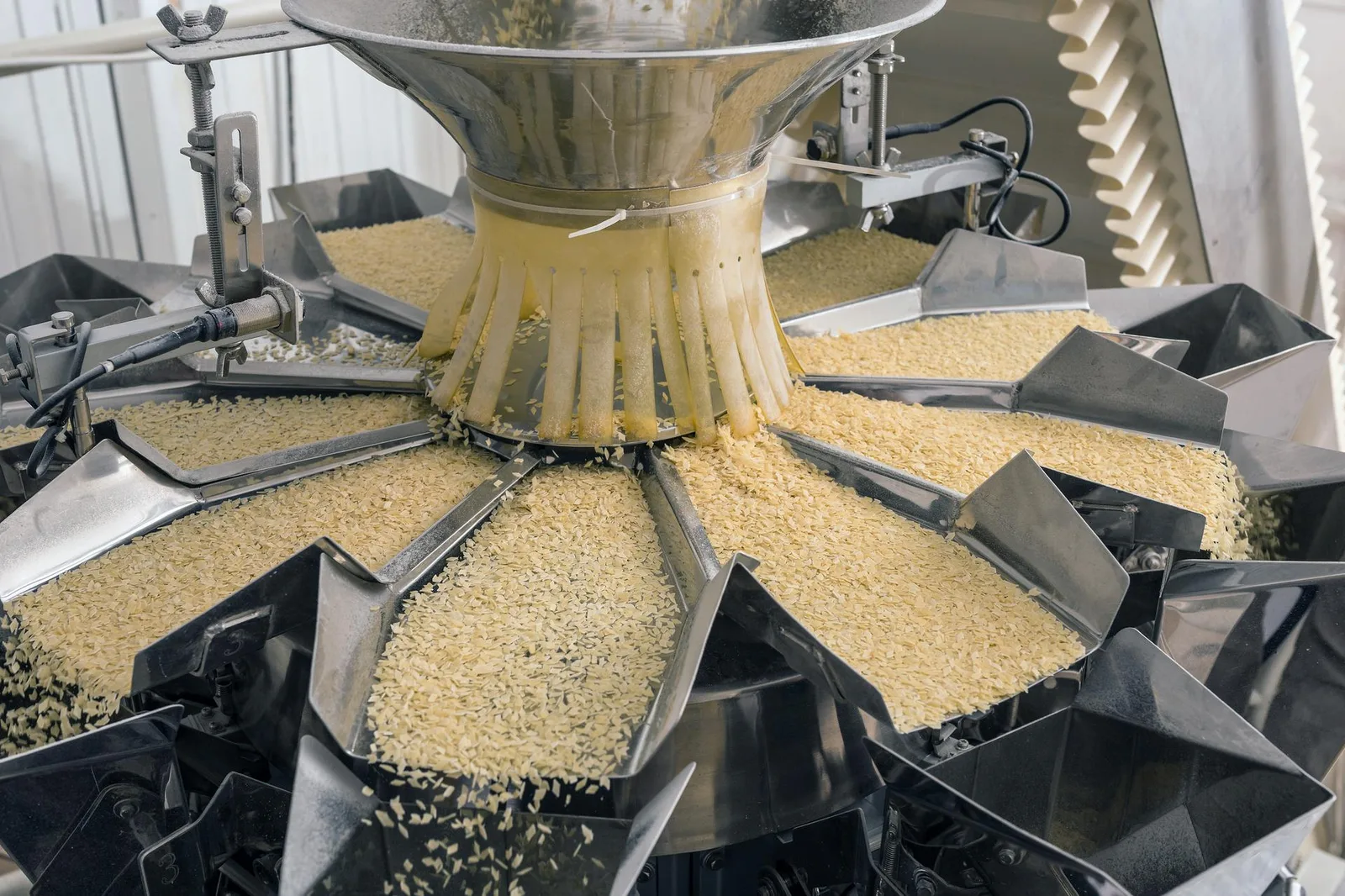
In feed production, ensuring high quality standards is one of the greatest challenges. Especially in feed mills it is essential to meet these standards in order to safeguard the health of livestock and the quality of food. In addition, legal regulations and the requirements of certification bodies must be strictly observed. Without adequate quality assurance, operations risk not only legal consequences but also the trust of consumers.
The importance of quality assurance in feed mills
Quality assurance in feed mills ensures that the feed produced complies with legal standards and is free of harmful substances. This not only protects animal health but also increases the efficiency of agricultural production. Through strict quality controls, potential risks can be identified and remedied at an early stage.
A further advantage lies in increasing customer satisfaction. Farmers rely on the feed they purchase being of the best possible quality. Adhering to strict standards strengthens trust, which in turn leads to long-term customer loyalty. Finally, it also protects the environment. By ensuring that no harmful substances enter the food chain, the risk of environmental pollution is minimised. This helps to promote the sustainability of agricultural practices.
Standards in quality assurance
In feed production there are numerous standards that must be met. These concern both the procurement of raw materials and the processing and storage of the feed. International standards such as ISO 22000 and HACCP provide a framework for ensuring feed safety. These standards include requirements for the traceability of raw materials and the control of production processes. Regular audits and inspections ensure that the standards are met and that potential deficiencies can be identified. Beyond that, national regulations play an important role. In many countries, feed mills must follow certain guidelines laid down by state authorities. These regulations serve to protect consumers and animals alike.
Monitoring production processes
A further important area here is the monitoring of production processes. Modern feed mills use automated systems to continuously monitor the production flow. These systems record data that can be used to optimise production processes. Regular calibration and maintenance of the machines ensures that they work efficiently and meet the required standards. Hygiene also plays an essential role in avoiding contamination. The introduction of sensors and Internet-of-Things technologies makes it possible to react in real time to deviations in the production process.
Control of the final product
The quality of the final product is secured through comprehensive tests. These tests check the nutrient composition, the physical properties and the microbiological purity of the feed. The final product must not only comply with legal requirements but also meet the specific requirements of the customers. A seamless quality management system ensures that every batch meets the high standards and can be used safely. In addition to internal tests, independent laboratories are often brought in to guarantee the impartiality of the results.
Advantages for farmers
Farmers benefit considerably from quality assurance in feed mills. High-quality feed leads to healthier animals that produce more efficiently. This can ultimately lead to higher yields and better results. In addition, quality assurance reduces the risk of diseases or contamination that could be caused by inferior feed. This protects not only the animals but also the farm from economic losses. With the certainty that the feed purchased is of the best quality, farmers can plan and manage their resources better. This leads to a more efficient use of time and money.
Approaches to solutions
Quality assurance in feed mills is a complex but indispensable process that forms the basis for safe and high-quality feed. By adhering to strict standards and using modern technologies, the quality of feed can be secured sustainably. For the future it remains important to keep developing continuously and to meet the challenges of the sector with innovative solutions. It is not a static process; rather, it requires constant attention and commitment to keep pace with changing requirements.