

The history of silo installations
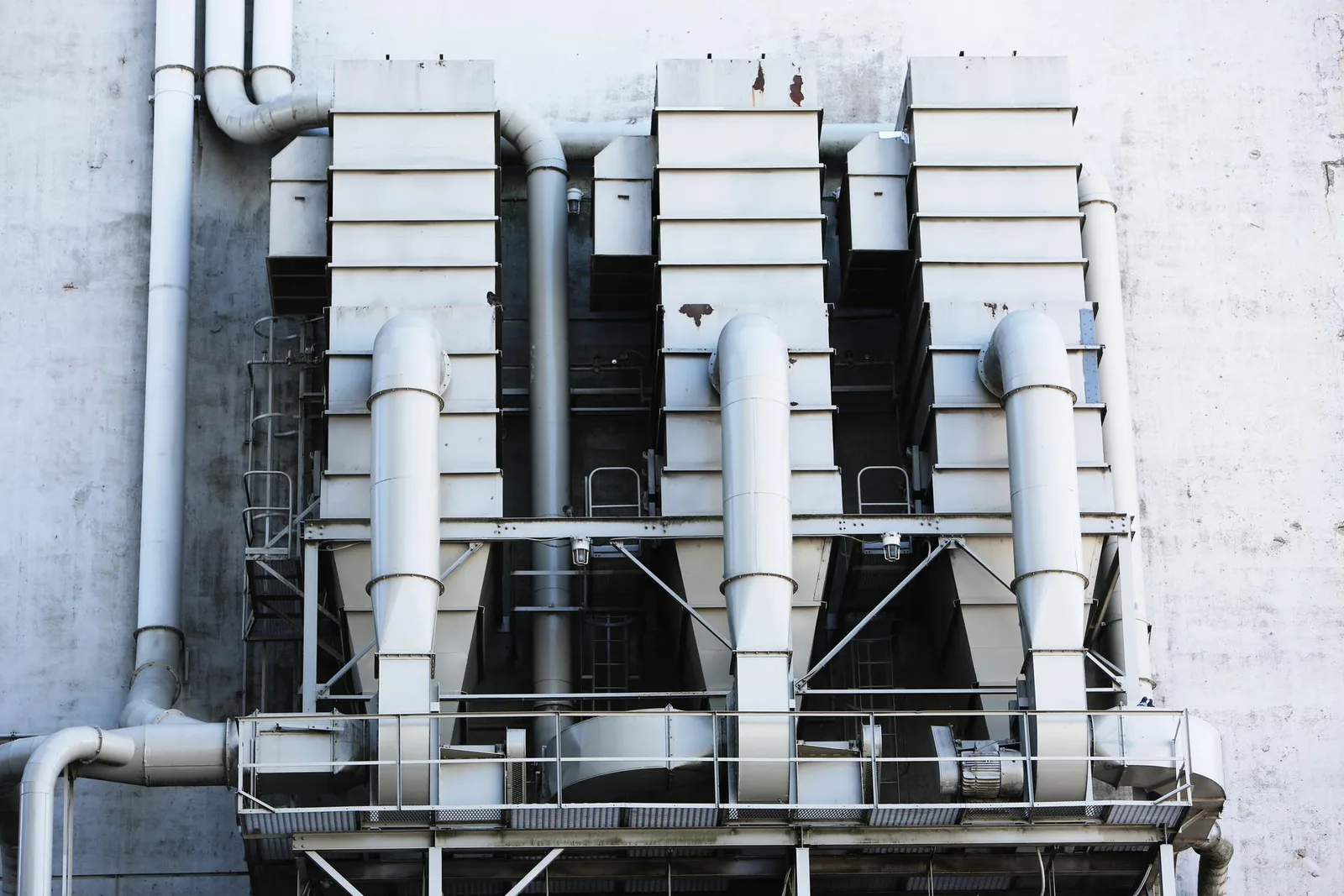
Silo installations have a long and fascinating history closely linked to the development of agriculture and storage technology. These impressive structures, used to store grain, feed and other bulk materials, have evolved considerably over the centuries. In this blog we take a look at the origins of silo installations, their development over time and their importance in modern agriculture.
Early beginnings of storage
The history of food storage begins with the earliest civilisations. As long as thousands of years ago, people developed methods to store their harvests and thus avoid food shortages in times of poor harvests or outside the harvest season. In antiquity, cultures such as the Egyptians, Greeks and Romans used underground or earth-covered storage rooms to protect grain and other food from moisture, pests and spoilage.
The invention of the silo
The term "silo" comes from the Greek and means "pit" or "granary". The modern idea of the silo as we know it today, however, was only developed in more recent history. In the United States, a farmer built the first modern silo on his farm. This first silo was a simple wooden construction used to store maize. It was a groundbreaking invention, as it enabled farmers to store large quantities of grain efficiently and safely.
The development of silo technology
The introduction of silos revolutionised agriculture, but the early models also had their challenges. Wooden silos were susceptible to moisture and pests, which could lead to spoilage and losses. In the period that followed, silos of concrete and steel were developed, which were more durable and more resistant to the elements. These new materials enabled larger and more robust structures that further improved the efficiency of storage.
Silos in modern agriculture
With the introduction of new technologies and materials such as stainless steel and galvanised steel, silos became even more efficient and durable. Modern silo installations are often equipped with ventilation systems, moisture-control technologies and automatic conveying systems in order to safeguard the quality of the stored products and minimise losses.
Types of silo installations
Today there are various types of silos that fulfil different functions depending on the intended use and the materials to be stored. Tower silos are tall, vertical structures frequently found on farms. They can be made of concrete, steel or fibreglass and are ideal for storing grain, feed and other bulk materials. These silos use gravity to load and unload the material efficiently.
Flat silos are large, horizontal storage structures often used to store grain and feed in large quantities. They are easier to build and maintain than tower silos and offer a cost-effective solution for storing large quantities of material. Bunker silos are underground or semi-underground structures frequently used to store feed. They offer excellent protection against the weather and pests and are particularly useful in regions with extreme weather conditions.
Bulk-material silos are specially designed for storing powdery or granular materials such as cement, coal or chemicals. They are frequently equipped with special discharge and conveying systems in order to transport the material efficiently.
The future of silo installations
With advancing technological progress, the future of silo installations will certainly remain exciting. Smart silo systems equipped with sensors and IoT technology enable more precise monitoring and control of storage conditions. Automation and robotics could further increase efficiency and reduce the workload for farmers.
Beyond that, sustainability and environmental protection play an ever more important role. Future developments could focus on developing more energy-efficient and environmentally friendly silo installations that minimise the impact on the environment while safeguarding the quality and safety of the stored products.
Conclusion
The history of silo installations is a history of constant progress and innovation. From the simple pits of antiquity to the highly modern storage structures of today, silos have played a decisive role in agriculture and the storage of bulk materials. As we look to the future, we can be sure that the technology and processes surrounding these installations will continue to be improved to meet the needs of farmers and industry. Silos remain an indispensable tool that helps to secure the food supply and to make agriculture more efficient and sustainable.